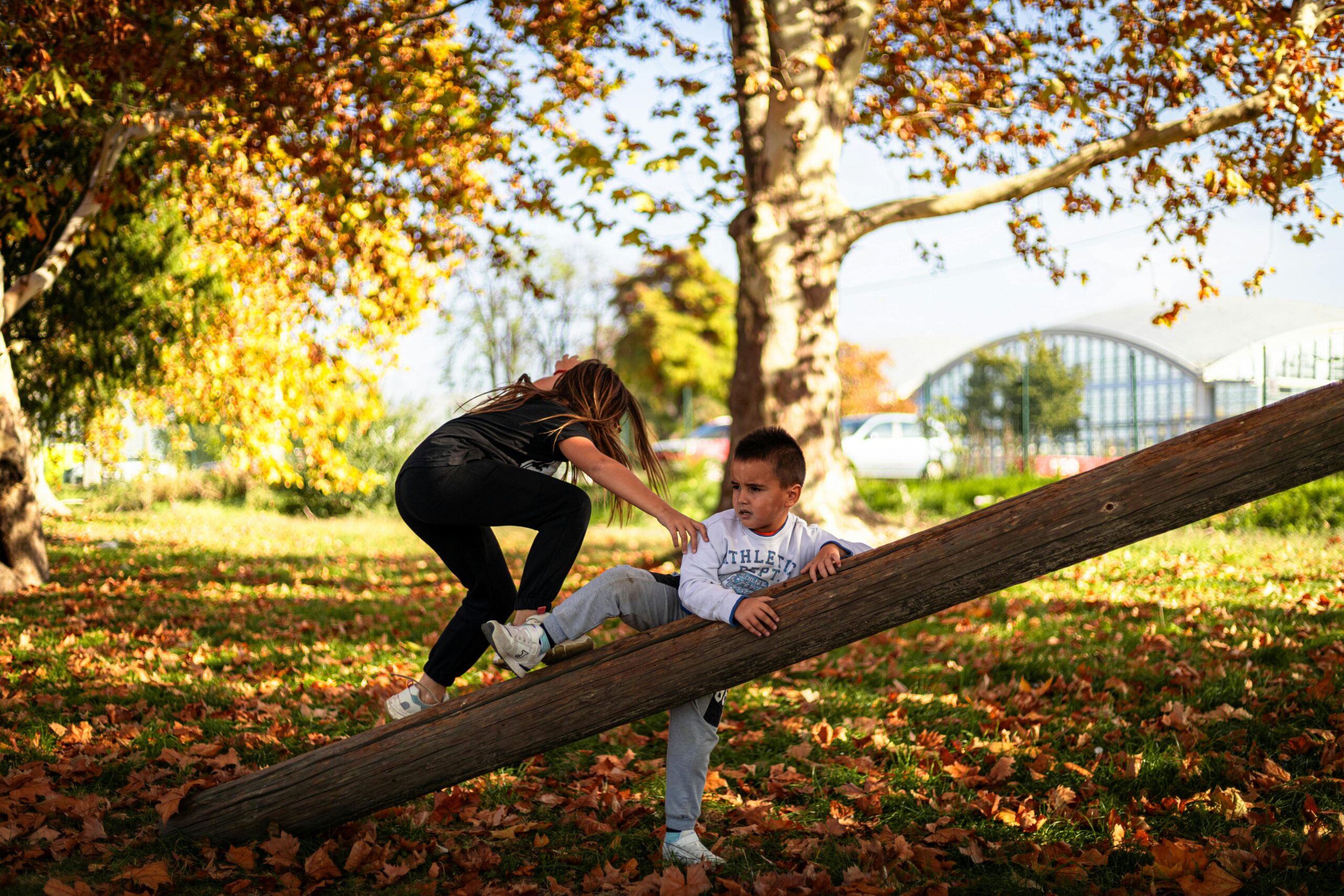
What Happens When You Stop Rescuing Your Kids
When Love Looks Like Letting Go
There I was, watching my neighbor sprint across the parking lot — again — waving her son’s forgotten lunchbox like an Olympic torch. It was the third time that week. Her son, a perfectly capable fifth-grader, stood at the school entrance with that look kids get when they know the cavalry is coming. No panic. No problem-solving. Just… waiting.
I recognized that sprint. I’d done it myself more times than I could count — the forgotten homework folder, the left-behind cleats, the science project we (let’s be honest, I) stayed up until midnight completing. And here’s what nobody tells you about being a loving, devoted parent: sometimes the most powerful thing you can do is stop running.
So what actually happens when you stop rescuing your kids from every forgotten item, small mistake, and uncomfortable consequence? The answer might surprise you — and it might just change how you show up for your family.
Why We Rescue (And Why It’s Exhausting Everyone)
Let’s start with some compassion for ourselves. You rescue because you care. You’ve got a good heart, and when you see your child struggling or about to face disappointment, every parenting instinct screams, “Fix it! Protect them! Make it easier!”
But here’s what’s really happening beneath the surface: we’re often parenting from our own anxiety, not from our child’s actual need. Dr. Wendy Mogel, clinical psychologist and author, calls this “the blessing of a skinned knee” phenomenon — we’ve become so focused on preventing pain that we’re accidentally preventing growth.
And the data backs this up. According to research from the American Psychological Association, the rise in anxiety and depression among teenagers has coincided with an increase in “helicopter parenting” and decreased opportunities for independent problem-solving. Nearly 70% of college professors report that students increasingly expect adults to solve their problems for them — a pattern that often begins in elementary school.
Here’s the paradox: when we constantly rescue our kids, we’re sending an unintentional message that sounds like, “I don’t think you can handle this.” And children, brilliant little observers that they are, start to believe it.
What Happens When You Stop Rescuing Your Kids
When you step back from constant rescuing, something remarkable happens. Not immediately — let’s be honest, there’s usually a bumpy adjustment period. But gradually, you’ll start to notice:
The Growth That Shows Up in Small Moments
They discover their own competence. That first time your child remembers their lunch on their own? The pride on their face isn’t about the sandwich — it’s about the realization that they can do hard things. This is what psychologists call “self-efficacy,” and it’s one of the strongest predictors of resilience and mental health.
Natural consequences become better teachers than your words ever were. When your teenager forgets their homework and has to explain it to the teacher themselves, they learn accountability in a way that a hundred parental reminders never accomplished. The discomfort is temporary; the lesson lasts.
Your relationship improves. This one catches parents off guard. When you’re not constantly nagging, reminding, and rescuing, you stop being the “manager” and get to go back to being the parent. There’s more room for connection, laughter, and actual conversation instead of constant correction.
They develop problem-solving muscles. Kids who are allowed to struggle (within safe boundaries, of course) become creative thinkers. They learn to ask for help when they truly need it, rather than waiting for someone else to notice and fix things.
Your Rescue-to-Resilience Toolkit
Shifting from rescue mode to resilience-building mode doesn’t mean abandoning your kids. It means supporting them differently. Here are five practical tools you can start using this week:
The Curiosity Approach: When your child comes to you with a problem, resist the urge to immediately solve it. Instead, try asking, “What do you think you could do?” or “What’s your plan?” You’re not being dismissive — you’re being a coach instead of a fixer.
The Natural Consequence Filter: Before jumping in, pause and ask yourself: “Is this situation unsafe, or just uncomfortable?” If it’s unsafe (crossing a busy street, genuine bullying), absolutely intervene. If it’s uncomfortable (forgot their jacket, left homework at home), let the natural consequence teach the lesson.
The Empathy-First Response: You can validate feelings without rescuing from consequences. Try: “I know it’s frustrating that you forgot your project. That’s a hard feeling. What will you tell your teacher?” This builds emotional intelligence while maintaining accountability.
The Gradual Release: Start small. Pick one area where you’ll step back — maybe morning routines or homework management. Give your child the tools they need (an alarm clock, a planner), then let them own it. Expect some failures at first. That’s literally the point.
The Repair Kit Conversation: Teach kids that mistakes aren’t catastrophes — they’re data. When something goes wrong, sit down together later and ask: “What happened? What did you learn? What might you do differently next time?” This builds metacognition and resilience.
| Tool | What It Does | How to Try It |
|---|---|---|
| The Curiosity Approach | Shifts them from dependence to problem-solving | Ask “What do you think you could do?” before offering solutions |
| The Natural Consequence Filter | Helps you distinguish between unsafe and uncomfortable | Pause and ask: “Is this dangerous, or just difficult?” |
| The Empathy-First Response | Validates feelings without removing accountability | Say: “I know this is hard. What’s your next step?” |
| The Gradual Release | Builds independence one area at a time | Choose one responsibility to transfer completely to your child |
| The Repair Kit Conversation | Transforms mistakes into learning opportunities | After a setback, ask: “What happened? What did you learn?” |
The Gift You’re Really Giving
Here’s the truth that might make this whole shift easier: when you stop rescuing your kids, you’re not being a less loving parent. You’re being a wiser one. You’re saying, “I believe in you enough to let you stumble. I trust you enough to let you figure this out. I love you enough to let you grow.”
Will there be forgotten lunches? Probably. A few tears? Maybe. Some uncomfortable conversations with teachers? Quite possibly. But there will also be pride, competence, and a child who walks into adulthood knowing they can handle what life brings them.
You’ve already taken the hardest step — caring enough to question your patterns and wanting better for your family. This week, pick just one small area where you’ll hold back the rescue rope and offer a supportive hand instead. You might be amazed how capable your child has been all along — they were just waiting for you to see it too.

Related Posts

The Partnership Imbalance Nobody Wants to Name

The Permission Your Child is Waiting to Hear