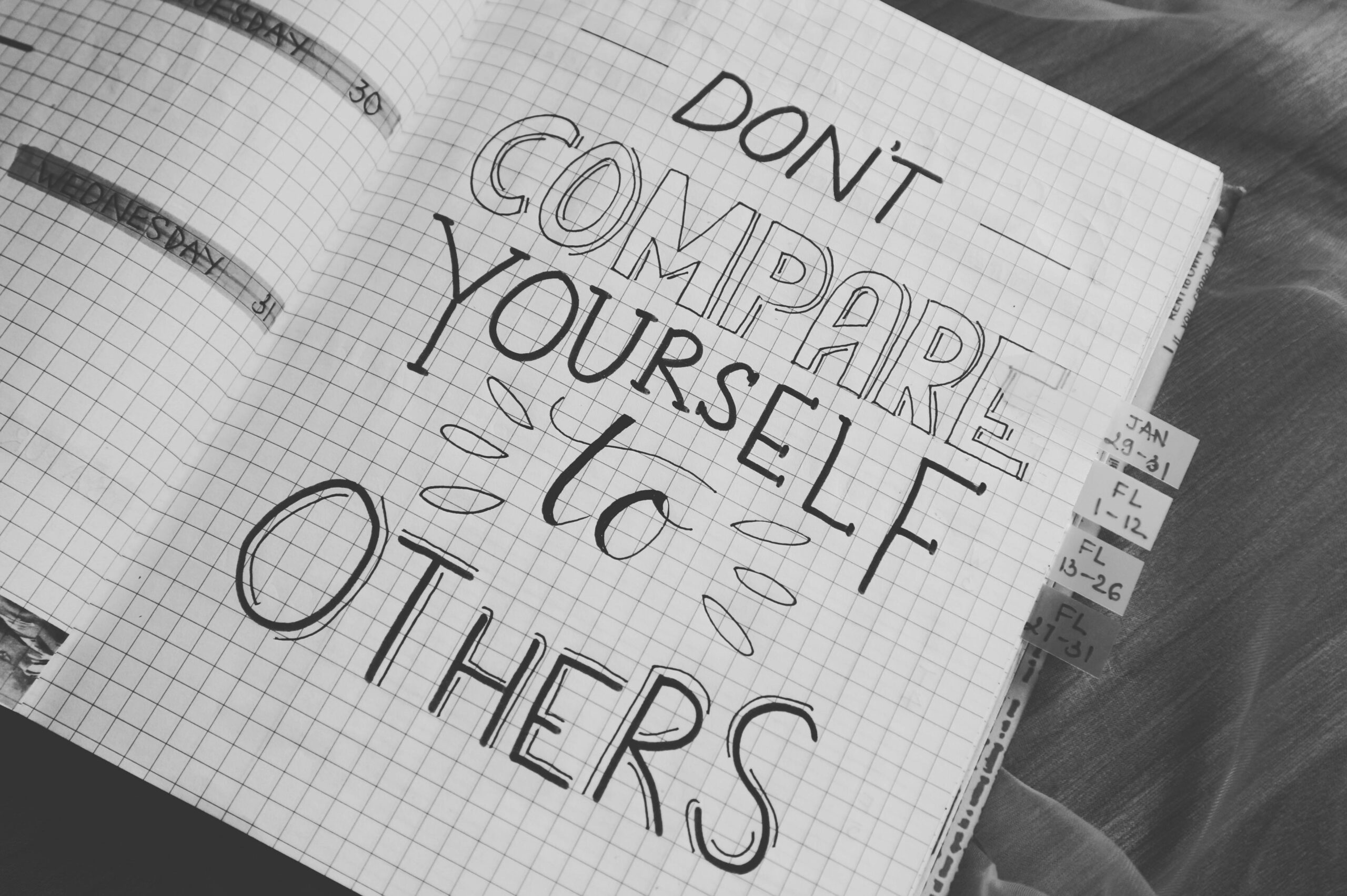
The Comparison Culture Poisoning Your Home
When Everyone Else’s Life Looks Like a Highlight Reel
You’re scrolling through your phone at 9 PM, finally sitting down after a day that felt like herding cats through a tornado. And there it is: another post. A neighbor’s kid just got accepted into an elite summer program. Your cousin’s family is on their third vacation this year. Someone’s toddler is apparently reading chapter books while yours just colored on the couch with permanent marker.
You feel that familiar tightness in your chest. What are we doing wrong?
If you’ve ever caught yourself measuring your family’s worth against someone else’s curated life—or worse, felt your child do the same—you’re living in what I call the comparison culture. And it’s not just exhausting. It’s quietly poisoning the very thing you’re trying to protect: the joy and connection in your home.
Why Comparison Feels Like Oxygen (But Acts Like Carbon Monoxide)
Here’s the thing: comparison isn’t new. Humans have always looked sideways to see how they stack up. It’s how we learned to survive. But social media turned a natural human tendency into a 24/7 performance review—and our families are paying the price.
According to a Pew Research Center study, 69% of adults and 81% of teens say they regularly compare their lives to others on social media, and those who do report higher levels of anxiety and dissatisfaction. When that comparison culture seeps into our homes, it doesn’t just stress us out—it rewires how our kids see themselves. They start to believe their value is tied to achievements, aesthetics, and external approval rather than who they are at their core.
From a Family Systems Theory perspective, when parents carry comparison anxiety, it spreads. Kids absorb it. Siblings compete. Connection gets replaced with performance. What should feel like a safe haven starts to feel like an audition.
But here’s the good news: you have more power than you think to change the emotional temperature of your home.
How to Detox Your Home from the Comparison Trap
Let’s talk about what actually works—not in a “burn your phone and move to the woods” way, but in a real, sustainable, this week kind of way.
1. Name It to Tame It (For You and Your Kids)
When you catch yourself spiraling into comparison, pause and name it out loud: “I’m doing that thing again where I compare our messy Tuesday to someone’s highlight reel.” When your child says, “Everyone else has the new game,” reflect it back: “It sounds like you’re noticing what other people have, and that can feel hard.” Naming the feeling shrinks its power. This comes straight from Emotion-Focused Therapy—we can’t regulate what we don’t acknowledge.
2. Create a “Gratitude Anchor” Ritual
Every night at dinner or bedtime, share one thing that made your family your family today. Not an achievement—a moment. “I loved when we all laughed at Dad’s terrible joke.” “I liked how you helped your brother find his shoe.” This isn’t toxic positivity; it’s rewiring your family’s attention toward what’s present, not what’s missing.
3. Curate Your Own Feed (Digital and Mental)
If someone’s posts consistently make you feel “less than,” it’s okay to mute, unfollow, or take a break. You’re not being petty—you’re being protective. And model this for your kids: talk openly about how you choose what voices get space in your mind. “I decided to take a break from that account because it was making me feel bad about our life, and I don’t want to feel that way.”
4. Celebrate Effort, Not Just Outcomes
Shift your language at home. Instead of “You’re so smart!” try “I noticed how hard you worked on that.” Instead of “We need to keep up,” try “We’re figuring out what works for us.” This draws from Carol Dweck’s Growth Mindset research, which shows that kids who are praised for effort (not innate talent or results) develop more resilience and intrinsic motivation.
5. Have the “Everybody’s Got Something” Talk
Find an age-appropriate moment to remind your kids (and yourself) that everyone is fighting a battle you can’t see. That kid with the perfect grades? Maybe they’re anxious all the time. That family with the big house? Maybe they never eat dinner together. You’re not teaching cynicism—you’re teaching empathy and perspective.
| Tool | What It Does | How to Try It |
|---|---|---|
| Name It to Tame It | Reduces emotional intensity by labeling feelings | Say out loud: “I’m comparing again” when you catch yourself scrolling enviously |
| Gratitude Anchor | Reorients focus to what’s present and meaningful | Share one non-achievement moment you loved about your family each day |
| Curate Your Feed | Protects your mental and emotional space | Mute or unfollow accounts that trigger comparison; explain this choice to your kids |
| Celebrate Effort | Builds intrinsic motivation and resilience | Replace “You’re so smart” with “I saw how hard you tried” |
| “Everybody’s Got Something” Talk | Develops empathy and realistic perspective | Remind kids that everyone faces hidden struggles, even those who seem “perfect” |
Your Family Doesn’t Need to Be Perfect—It Needs to Be Yours
You’ve already taken the hardest step—caring enough to notice when something’s off and wanting to protect what matters most. The comparison culture isn’t going anywhere, but you can choose how much access it gets to your heart and your home. Pick one small thing to try this week. Maybe it’s a gratitude moment at bedtime. Maybe it’s unfollowing that one account that always makes you feel behind. You’ll be amazed how even small moments of intentional connection can shift everything. Your family’s story doesn’t need to look like anyone else’s. It just needs to feel like home.

Related Posts

The Permission Your Child is Waiting to Hear

Why Your Family Needs More Unstructured Time