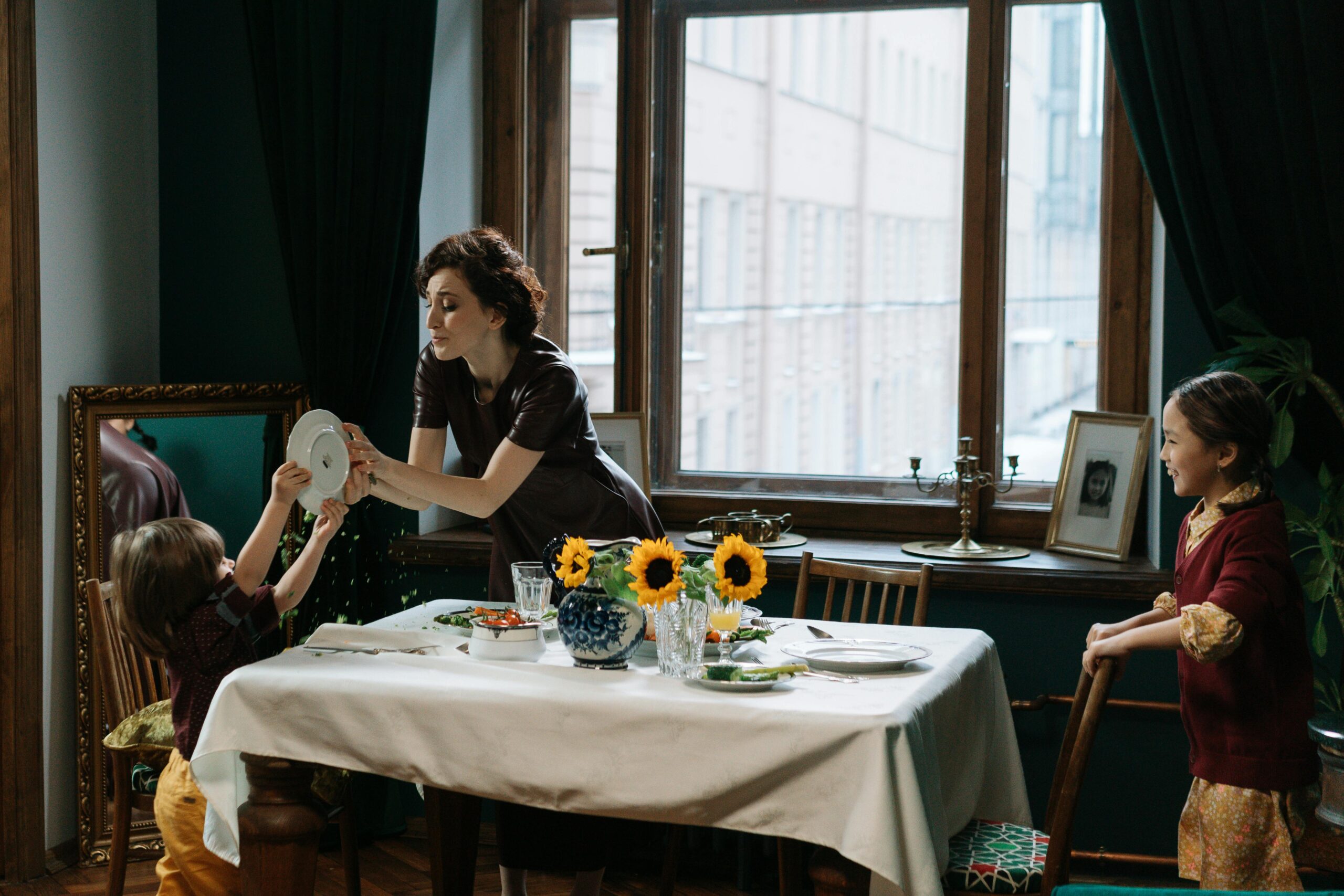
The Mealtime War That’s Not About Food
The Mealtime War That’s Not About Food
Last Tuesday, Maya watched her five-year-old son cross his arms, glare at a plate of perfectly good chicken nuggets (his favorite!), and announce with the confidence of a union negotiator: “I’m not eating this. I want cereal.” It was the third night in a row. Maya felt her jaw clench. Her partner shot her that look. And suddenly, what started as dinner became a full-blown standoff over poultry.
Here’s the truth most parents don’t realize until they’re knee-deep in rejected vegetables and tears (theirs and the kid’s): the mealtime war is almost never about the food. It’s about power, connection, anxiety, and a child’s desperate need to feel some control in a world where adults make most of the rules. Once you see what’s really happening beneath the surface, everything changes.
Why Mealtime Becomes a Battlefield (And It’s Not Your Fault)
From a family systems perspective, mealtimes are one of the few daily rituals where everyone’s needs, emotions, and power dynamics collide in real time. You’re trying to nourish. Your child is trying to assert independence. Everyone’s tired. Someone’s hangry. And culturally, we’ve loaded mealtimes with so much meaning — love, health, tradition, “good parenting” — that a rejected meal can feel like a rejected you.
You’re not imagining the intensity. According to the American Academy of Pediatrics, nearly 50% of parents report frequent mealtime struggles with their young children, and research shows these conflicts are rarely about taste or hunger. They’re about autonomy, sensory overwhelm, or even a child’s way of reconnecting after a long day apart. When a four-year-old refuses dinner, they might actually be saying, “I need to feel big,” or “I missed you and I don’t know how to say it.”
Understanding this doesn’t make the broccoli magically disappear from the floor. But it does help you stop taking it personally — and start responding in ways that actually work.
5 Tools to Transform Mealtime (Without Becoming a Short-Order Cook)
These aren’t rigid rules. Think of them as gentle experiments rooted in research on child development, positive discipline, and emotion-focused family therapy. Pick one that resonates and try it for a week. Progress, not perfection.
1. The Division of Responsibility
This approach, developed by feeding expert Ellyn Satter, is beautifully simple: You decide what, when, and where. Your child decides whether and how much. Offer a balanced meal. Sit together. Then let go. No bribing, no bargaining, no pressure. Kids are born knowing how to regulate their hunger — but power struggles shut that system down. When you stop controlling the “whether,” resistance often melts away.
2. Invite Them Into the Process
Give real (but bounded) choices: “Do you want carrots or peppers with dinner?” Let them help wash lettuce, stir batter, or set the table. When children feel ownership over the meal, they’re far more likely to engage with it. You’re not catering to demands — you’re building competence and connection.
3. Name the Real Feeling
Instead of “Just eat three bites,” try: “I notice you’re feeling really strong about this tonight. Sometimes it’s hard to switch gears after a big day, huh?” This simple reframe — borrowed from emotion-focused therapy — helps kids feel seen. Once they feel understood, cooperation usually follows.
4. Decouple Food and Love
We all do it: “Eat your dinner so Mommy’s happy,” or “You’re making me sad when you don’t try it.” But tying food to emotional approval teaches kids to ignore their body’s signals and eat (or not eat) to manage our feelings. Instead, keep it neutral: “This is what’s for dinner. I trust you to listen to your body.”
5. Create Rituals, Not Rules
Maybe it’s a candlelit dinner once a week, a gratitude share, or everyone picks a silly question from a jar. Rituals create safety and joy. Rules create defiance. When mealtime feels connective rather than corrective, kids show up differently.
| Tool | What It Does | How to Try It |
|---|---|---|
| Division of Responsibility | Removes power struggle; honors child’s autonomy | Serve the meal, then step back. No coaxing or pressure. |
| Invite Into the Process | Builds ownership and reduces resistance | Let them choose one side dish or help prep in a small way. |
| Name the Real Feeling | Validates emotion; shifts from conflict to connection | “You seem frustrated. Big feelings before dinner are normal.” |
| Decouple Food and Love | Protects child’s relationship with hunger cues | Keep language neutral: “This is dinner. I trust your body.” |
| Create Rituals, Not Rules | Transforms mealtime into connection time | Start one small tradition: a question, a candle, a toast. |
You’re Already Doing Better Than You Think
If you’ve made it this far, you’ve already taken the hardest step — caring enough to look beneath the surface of the mealtime struggle. You’re not failing because dinner is hard. You’re learning a new language with someone who’s still figuring out their own words. Pick one small tool to try this week. You’ll be amazed how a little less pressure and a little more presence can turn the table into a place of peace again — most nights, anyway. And on the nights it doesn’t? There’s always cereal. And there’s always tomorrow.

Related Posts

The Permission Your Child is Waiting to Hear

Why Your Family Needs More Unstructured Time